

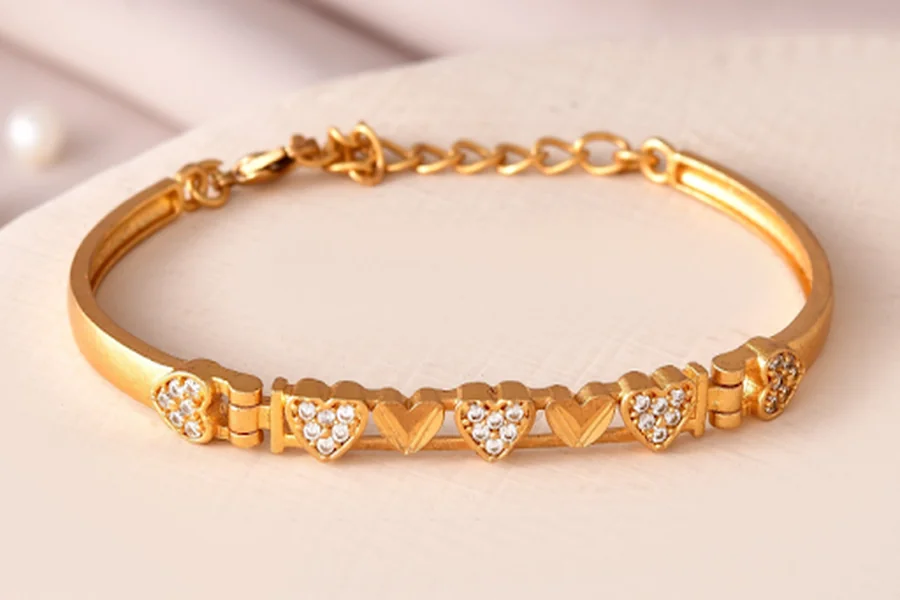
An unmarked gold piece presents an uncomfortable temptation: look harder until its color seems to answer the question. Perhaps it came from a relative, or its clasp was replaced long ago. Those details may explain why a marking is missing, but they cannot establish the material by themselves. A sensible assessment starts by making uncertainty visible rather than disguising it as confidence.
Record what is known without filling the gaps
Describe where the piece came from and any repairs you know about. Separate your own observations from information passed along by someone else. Saying that a bracelet was described as gold is more accurate than presenting that description as a test result. The distinction gives the person examining it a clearer starting point.
Look for associated paperwork or photographs, but avoid turning the search into a requirement for certainty before making an inquiry. If nothing survives, say so. A buyer can then explain what assessment is possible and which questions remain open. Missing information should shape the conversation, not encourage you to invent a likely answer.
Ask how an unfamiliar piece will be assessed
Before testing begins, discuss the method and any possible effect on the object. Ask whether different components need separate attention. A replaced fastening or repaired section is worth mentioning because it may affect how the buyer approaches the inspection. Do not attempt household tests that could damage the jewelry simply to arrive with a more definite description.
For local context, BKK Diamond’s discussion of evaluating different types of gold describes a Thai buyer’s approach to varied pieces. It can help frame an initial inquiry, although it should not be read as confirmation that every unmarked object will be accepted or valued in the same way. The assessment still needs to address the item actually presented.
Ask the buyer to explain any conclusion in ordinary language. What was examined, and what does the result allow them to say? If the response remains provisional, find out why. There is nothing embarrassing about leaving with a more precise question instead of an immediate sale. An assessment that identifies its limits is easier to evaluate than an unexplained certainty. Be cautious about confident labels added during casual conversations. Repeating an unverified description can make it sound established by the time the piece reaches a buyer. Keeping a short note of who said what helps distinguish inherited assumptions from findings made during the actual inspection.
Decide after the material question is clearer
Once the buyer has explained the assessment, ask how it affects the purchase offer and whether any further procedure is proposed. Keep those decisions separate. Agreeing to hear an explanation is different from authorizing a change to the piece or accepting a payment amount.
You may discover that more specialist investigation is appropriate, or that the information already available is enough for your own decision. Either outcome is more useful than relying on color, weight in the hand, or a convincing family story. An absent hallmark leaves a question to investigate. It does not supply the answer, favorable or otherwise.
